
Where do I find web design inspiration?
You know the feeling. You sit down to think about your new website, ready to be excited about it, and your brain just... blanks.
What should it look like? What style fits your brand? What works for your industry? You start scrolling competitor sites and end up more confused, because half of them look like they were built in 2014 and the other half look exactly the same as each other.
Tired of staring at a blank page when you try to picture your dream website? Worried about copying competitors but not sure where else to look? Wondering where actual designers go to spark new ideas?
Good news. Inspiration is everywhere once you know where to look. Here are 12 of the best places to start.
You've got a business to grow. We can handle this website stuff, including helping you find the look and feel that fits you.
TLDR; Web design inspiration isn't just for designers. If you are planning a new site or redesign, knowing where to look for ideas helps you communicate your vision clearly to whoever builds it. Here are 12 places to find genuinely good design inspiration, plus how to use it without accidentally copying someone else's work.
12 Places to Find Real Web Design Inspiration
Curated Design Galleries
This is hands-down the best starting point. Sites like Awwwards, Dribbble, Behance, and CSS Design Awards showcase the best web design work in the world, curated by experts and updated constantly.
Spend twenty minutes scrolling and you will start to develop a real sense of what is possible, what is current, and what kind of vibe you are drawn to.
Design Blogs
Sites like Smashing Magazine, A List Apart, and Webdesigner Depot publish ongoing design showcases, tutorials, and trend analyses.
Subscribe to a few. Skim the headlines weekly. Even if you are not building the site yourself, you will start to absorb the language and aesthetic of modern web design without trying.
Pinterest is genuinely amazing for visual inspiration. Create a board called "Website Inspiration" and start pinning every site, layout, color palette, and typography choice that catches your eye.
A week later, look at the board as a whole. Patterns will emerge. Those patterns are the start of your design direction.
Your Competitors (But Not Just for Copying)
Looking at competitor sites is useful, but not for the reason most people think.
You are not trying to copy them. You are trying to figure out what to do differently. Where do they fall short? What feels generic? What do you want to do better? Competitors are a map of what already exists in your industry, which is exactly what you want to stand out from.
Design From Other Industries
This is the secret weapon most business owners overlook.
Some of the best web design ideas come from looking outside your industry, not inside it. Pull inspiration from fashion brands, architecture firms, magazines, restaurants, museums. The aesthetic choices and storytelling techniques in those spaces can translate beautifully into a unique web design.
If you are an accountant whose site looks like every other accountant site, that is a problem. Looking at how a great whiskey brand presents itself online might be the unlock you need.
Social Media Design Communities
Instagram and Twitter (now X) are full of designers sharing their latest work. Follow design-focused hashtags and a few well-known designers, and your feed will fill up with quick-hit inspiration.
LinkedIn is also surprisingly good for this if you follow design studios and creative directors. The posts there often go behind-the-scenes on real client projects.
Conferences, Workshops, and Webinars
If you are seriously committed to learning what good design looks like in 2026 and beyond, design conferences (in person or online) are gold.
Awwwards Conference, Adobe MAX, and a steady stream of webinars from major design tools are good places to start. You don't have to be a designer to benefit. The trends and case studies translate immediately into a sharper sense of what you want.
Design Books
Old-school but highly underrated. A handful of well-chosen books on design principles, user experience, and visual hierarchy will teach you more than ten hours of mindless scrolling.
A few classics worth your time: "Don't Make Me Think" by Steve Krug, "The Design of Everyday Things" by Don Norman, and "Hooked" by Nir Eyal. None of them are heavy reads. All of them will change how you look at websites forever.
Award-Winning Designs
Study the winners.
When a design wins an Awwwards "Site of the Day" or a Webby award, it is for a reason. Take a few minutes to figure out what that reason is. What did the designers do that the runners-up did not? That kind of focused study compounds fast.
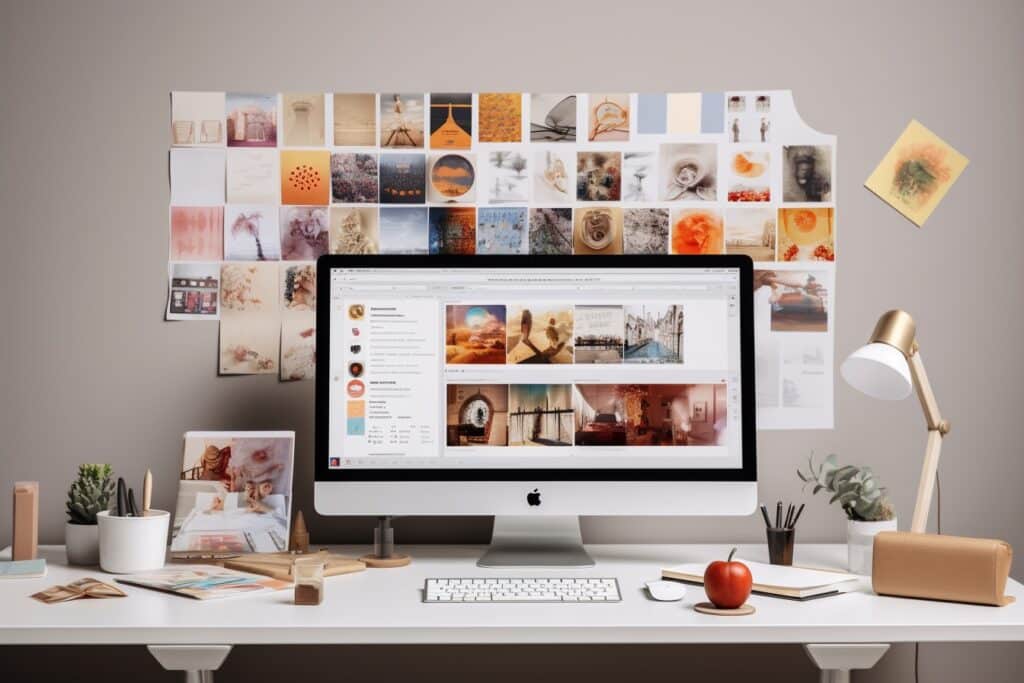
Mood Boards
Once you have collected a bunch of inspiration, organize it.
Create a mood board (Pinterest works, or a simple Figma board, or even a printed collage if you are old-school) that captures the colors, fonts, imagery, and overall feel you want for your site. The mood board becomes your shared visual language with whoever builds the site, which dramatically improves the final result.
Designers Themselves
Follow web designers and design studios you admire. Watch how they think. Watch how they explain their process.
A designer's portfolio site is usually a tour of their best taste, and their social posts often unpack why specific decisions were made on specific projects. Worth following even if you never plan to hire them, just for the education.
Online Design Communities
Reddit's r/web_design, design Discord servers, and forums on places like Designer News are surprisingly useful. Real designers, sharing real work, getting real feedback.
Lurk for a while. Read what people praise and what they tear apart. You will sharpen your eye fast.
A Quick Word on Originality
Inspiration is for borrowing ideas. It is not for stealing layouts.
When you find a site you love, study what makes it work. The hierarchy. The flow. The feel. Then take those concepts and apply them to your unique brand, your unique audience, your unique story. The goal is to be inspired, not to clone.
The best websites are never copies of other websites. They are confident expressions of a specific brand built on lessons learned from a wide range of influences.
What to Do With All This Inspiration
If you are gearing up for a redesign or a brand new site, do this:
- Spend a few hours collecting inspiration in one place (mood board, Pinterest, whatever works).
- Write down three to five words that describe the feeling you want your site to have.
- Bring all of it to whoever is building the site.
That kind of clarity is gold for a designer. It dramatically shortens the time it takes to land on a final design you love, and it makes the entire process more fun for everyone involved.
Ready to Turn Inspiration Into a Real Website?
Your customers need your attention. You need your website to work.
If you have been gathering inspiration and you are ready to actually build the thing, we would love to help. Click here to schedule a no-obligation consultation. Bring your mood board, your ideas, your half-formed visions. We will walk through everything with you and tell you straight up whether we are the right fit. No pressure, no jargon, just a real conversation.
We are experts in website design, website support, and website traffic.
Schedule a consultation or call us today: 678-995-5169