
What is mobile first design?
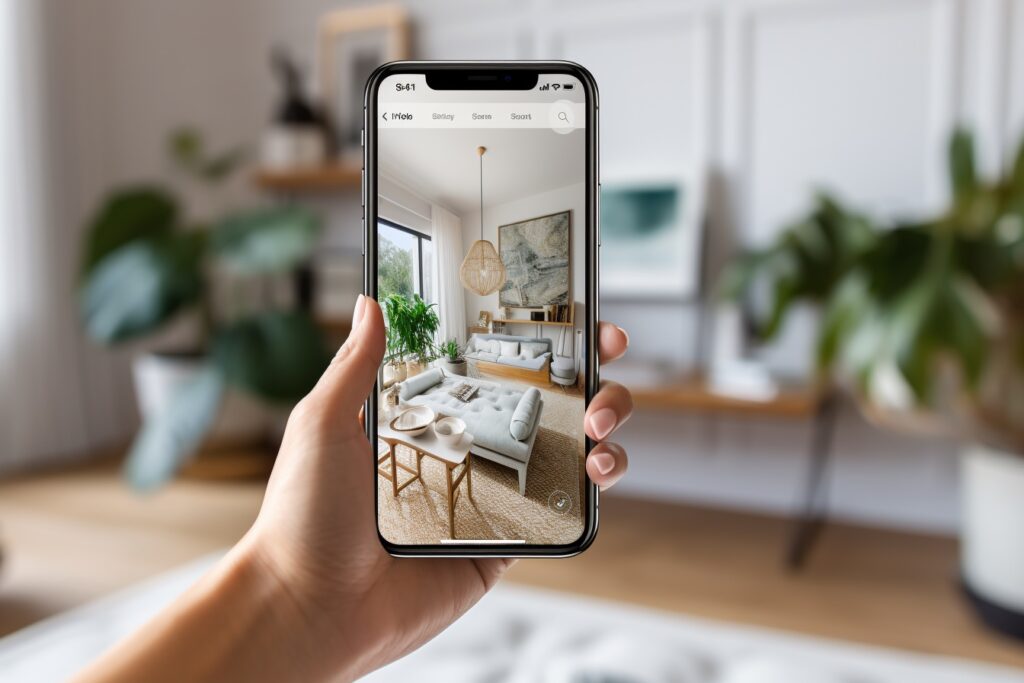
For decades, websites were designed for desktop computers. The phone version was an afterthought, squeezed and shrunk down at the very end of the project, if it got attention at all.
Then the world flipped. Phones became how people browsed the internet. And smart designers realized: maybe we have been doing this whole thing backwards.
Enter mobile-first design.
Tired of websites that look great on your laptop but fall apart on your phone? Wondering why your site doesn't seem to perform like your competitors' do, even though it looks similar at a glance? Curious what "mobile-first" actually means, and whether it matters for your business?
It matters. A lot. Here is the plain-English explanation.
You've got a business to grow. We can handle this website stuff, including building it the right way from the ground up.
TLDR; Mobile-first design is exactly what it sounds like: designing for phone screens first, then expanding to bigger screens like tablets and desktops afterward. It is the opposite of how most older websites were built, and it is now considered the modern standard. Mobile-first sites tend to be faster, simpler, and more focused, which is good for users, good for SEO, and good for your business. Here is what it means in practice and why it matters for you.
So What Is Mobile-First Design, Exactly?
Mobile-first design is a design philosophy that starts with the smallest screen (a phone) and works outward to larger ones.
Designers map out the mobile experience first: what the visitor sees, what they tap, what they read, where they go next. Then they progressively expand the layout for tablets, laptops, and desktops, adding richness as the screen size grows.
The big idea: by starting with the most constrained format, you are forced to keep the design lean, focused, and intentional. Every pixel has to earn its place. By the time the design scales up to a desktop, the result is clean and purposeful instead of bloated and busy.
Why Mobile-First Beats Desktop-First
A lot of older websites were built the other way around. Designers started with the desktop version (where they had plenty of room to spread out), then tried to cram everything onto a phone screen at the end.
The result? Cluttered, slow mobile experiences. Tiny tap targets. Menus that don't quite fit. Pages that take forever to load on a phone connection.
Mobile-first flips this. By starting small, the design stays simple. Speed becomes a priority. Touch interactions get planned for from day one. The desktop version then becomes an enhanced experience built on top of a solid mobile foundation, instead of a chunky hand-me-down forced onto a smaller screen.
The 5 Core Principles of Mobile-First Design
1. Content Prioritization
Phone screens are small. Real estate is precious. There is no room for "nice to have" filler.
Mobile-first design forces you to ask: what is the single most important thing a visitor needs to see right now? That ruthless prioritization makes the design sharper for every screen size, not just mobile.
2. Streamlined Navigation
Tiny screens cannot fit a sprawling top navigation. Mobile-first design uses simpler patterns: hamburger menus, sticky bottom bars, compact menus that expand on demand.
When done well, navigation feels effortless on a phone. Visitors find what they need fast, with their thumb, without thinking about it.
3. Responsive Layout
A mobile-first site is also a responsive site. The design adapts gracefully as the screen grows, expanding from a single column on a phone to a richer multi-column layout on a desktop.
The point is the experience feels native on every device. No squishing. No squinting. No sideways scrolling.
4. Touch-Friendly Elements
Buttons need to be big enough to tap with a thumb. Forms need to be easy to fill out on a tiny keyboard. Menus need to respond to touch instead of mouse hovers.
Mobile-first design bakes all of this in from the very beginning. The result is a site that feels at home on a phone instead of a clunky port from a desktop interface.
5. Performance Optimization
Mobile devices often run on slower connections than desktops. A mobile-first design forces you to keep the site lean and fast, because anything bloated will drag on a phone.
Most people abandon a site that takes longer than 4 seconds to load. Mobile-first design takes that limit seriously. The result is a faster site for everyone, on every device.
The Real Business Benefits of Going Mobile-First
1. It Serves Most of Your Visitors
More than half your traffic is on a phone. Maybe more, depending on your industry.
Mobile-first design treats those visitors as the primary audience instead of an afterthought. That alone is enough reason to take it seriously.
2. It Boosts Your SEO
Google ranks websites based on how they perform on mobile. A mobile-first site naturally performs well on the metrics Google cares about: speed, mobile-friendliness, accessibility, clean structure.
A desktop-first site, on the other hand, often gets penalized in search rankings because the mobile experience feels like a hand-me-down. Result: less traffic, fewer customers, more reliance on paid ads to make up the gap.
3. It Forces a Cleaner, Better Design
Designing for the smallest screen first is a creative discipline. You cannot hide behind whitespace or "extra" sidebars. Every element has to earn its keep.
That ruthless focus tends to produce sharper, simpler, more intentional designs across the board. Clarity wins. Visitors notice.
4. It Speeds Up Development
Counterintuitive, but true. Starting with the core mobile experience keeps the project focused. Scope creep gets caught earlier. The big "must-have" features get nailed down before time gets wasted on extras.
That focus often translates into faster builds, fewer revisions, and a quicker path to launch.
So, What Should You Do With This Information?
If your current website was built more than a few years ago, there is a real chance it was designed desktop-first. Which means it is probably underperforming on the device most of your visitors are using.
You don't have to throw it all out. But it is absolutely worth taking a hard look at the mobile experience. Open your homepage on your phone right now. How does it actually feel?
If your honest answer is "kind of clunky," you have just identified one of the most leveraged improvements you can make to your business.
Ready for a Site That Actually Works on Every Screen?
Your customers need your attention. You need your website to work, on every device they pull out of their pocket.
If you would like help building (or rebuilding) your site with a real mobile-first approach, we would love to help. Click here to schedule a no-obligation consultation. We will walk through your site with you, point out what is working, and show you exactly where there is room to grow. No pressure, no jargon, just a real conversation.
We are experts in website design, website support, and website traffic.
Schedule a consultation or call us today: 678-995-5169